Tree Removal Services: What to Expect and How to Prepare
Why Is It Important to Remove Trees?
Tree Removal Services play a vital role in protecting people, property, and the overall appearance of outdoor spaces. Dead, diseased, or structurally weakened trees present serious safety hazards—falling branches can damage homes, vehicles, and power lines, while unstable trunks pose risks to anyone nearby.
Safety is the primary reason property owners rely on professional Tree Removal Services. Trees weakened by storms often develop trunk cracks or lose major limbs, creating unpredictable collapse risks. Similarly, root systems compromised by construction activity or soil erosion can no longer anchor trees securely, especially during strong winds or heavy rainfall. Recognizing early signs of tree stress is essential to preventing dangerous situations.
Disease management is another critical benefit of Tree Removal Services. Fungal infections, bacterial diseases, and pest infestations can spread quickly if left untreated, affecting surrounding trees and plants. Conditions such as oak diseases or invasive insects can severely damage entire landscapes. Removing infected trees helps contain the spread and protects healthy vegetation.
Aesthetics and property value also factor into the need for Tree Removal Services. Overgrown trees may block sunlight from homes and gardens, while dead or decaying trees detract from curb appeal. Strategic tree removal improves sight lines, supports healthier plant growth, and creates opportunities for well-planned landscaping.
Trees growing too close to buildings can cause foundation issues, roof damage, and plumbing problems as roots expand underground. Branches rubbing against siding or clogging gutters often lead to costly repairs. Timely Tree Removal Services prevent these maintenance problems before they escalate into emergencies.
Responsible tree removal balances safety with environmental care. Professional arborists assess whether pruning, cabling, or other treatments can preserve valuable trees before recommending full removal. When removal is necessary, Tree Removal Services ensure it is done safely, efficiently, and with minimal impact on the surrounding landscape.
What Are the Common Reasons for Tree Removal?
Property owners typically remove trees due to storm damage, diseased trees, unhealthy growth, or landscaping changes. Each situation presents unique challenges that affect both safety and the visual appeal of outdoor spaces.
Storm Damage
Severe weather events can split trunks, uproot trees, or cause major limb breakage. A tree struck by lightning may appear stable but often suffers internal damage that weakens its structure. Wind damage creates leaning trees that pose immediate risks to buildings, vehicles, and power lines.
Diseased Trees
Fungal infections, bacterial diseases, and pest infestations compromise tree health from the inside out. Dutch elm disease, oak wilt, and emerald ash borer damage spread rapidly to neighboring trees if left untreated. Visible signs include discolored leaves, unusual bark texture, premature leaf drop, and mushroom growth at the base.
Unhealthy Growth
Trees planted too close to structures develop root systems that crack foundations, damage underground pipes, and lift sidewalks. Overgrown canopies block sunlight from reaching gardens and create excessive shade that affects other plants. Some species grow too large for their location, creating hazards as branches extend over roofs or into utility lines.
Landscaping Changes
Renovation projects, property expansions, and outdoor redesigns often require tree removal to accommodate new structures. Homeowners may choose to remove trees that no longer fit their aesthetic vision or to make space for swimming pools, patios, or garden beds.
When Removal Becomes Necessary
Dead or dying trees require immediate attention as they become brittle and unpredictable. A tree leaning more than 15 degrees from vertical indicates root failure or structural instability. Visible cracks in the trunk, hollow sections, or extensive decay mean the tree cannot support its own weight safely.
Property safety takes priority when trees threaten homes, vehicles, or pedestrian areas. A single falling branch can cause thousands in damage or result in serious injuries. Trees touching power lines create fire hazards and electrical risks that utility companies may address through emergency removal protocols.
How Do Professionals Assess a Tree Before Removal?
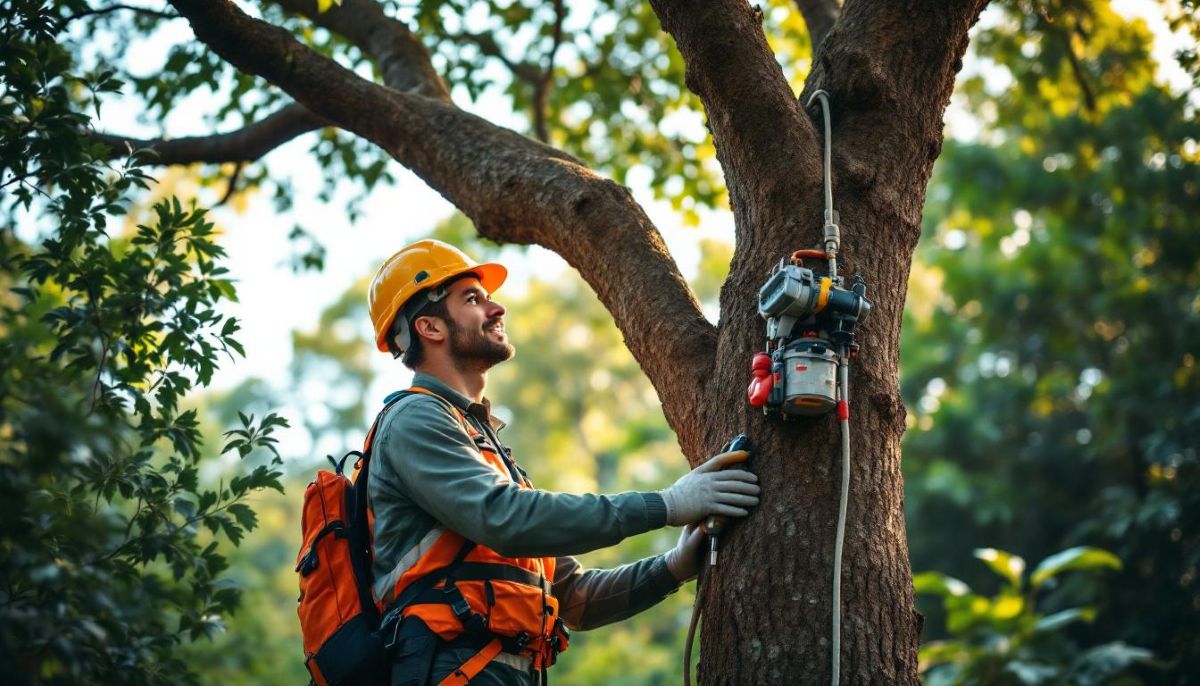
Qualified arborists begin with a comprehensive visual inspection of the tree from ground level, examining the trunk, branches, canopy, and surrounding area for visible signs of damage or decay. This initial tree assessment identifies immediate safety risks such as cracks, splits, dead limbs, or leaning that could pose hazards during removal.
Initial Inspection by Certified Arborists
Tree surgeons conduct systematic evaluations using specialized tools to measure tree dimensions, lean angles, and proximity to structures. They document the tree’s species, age, and location while noting any obstacles like power lines, buildings, or underground utilities that could complicate removal.
Professional arborist evaluation includes checking for:
- Visible decay at the base or trunk
- Root damage or exposed root systems
- Pest infestations or fungal growth
- Branch dieback patterns in the canopy
- Structural defects like co-dominant stems
Evaluating Structural Integrity and Health
Arborists use resistance drilling or sonic tomography to assess internal wood density and detect hidden decay that isn’t visible externally. These diagnostic tools reveal the tree’s structural integrity by identifying hollow sections, rot, or compromised wood that could cause unpredictable failure during removal.
Health assessments examine bark condition, leaf color and density, and growth patterns to determine if disease or stress has weakened the tree. A tree with extensive internal decay may require different removal techniques than a healthy tree being removed for landscaping purposes. You may like to visit https://pmc.ncbi.nlm.nih.gov/articles/PMC5238698/ to get about the use of sonic tomography to detect and quantify wood decay in living trees.
Understanding Permit Requirements
Most municipalities require permits for removing trees above certain sizes or protected species. Arborists verify local regulations and submit necessary documentation to authorities before scheduling removal work.
Permit applications typically need:
- Tree location and property boundaries
- Justification for removal
- Species identification
- Diameter measurements
- Replacement planting plans (if required)
The permit process can take several days to weeks depending on local requirements. Trees in conservation areas or those with preservation orders face stricter regulations and may require public consultation before approval.
What Preparations Should Be Made Before Tree Removal?
Proper preparation steps ensure tree removal proceeds safely and efficiently. The groundwork you complete before professionals arrive protects your property, maintains good neighbor relations, and allows specialists to work without unexpected obstacles or delays.
Should You Inform Your Neighbors About the Removal?
Notifying neighbors is essential when tree removal might affect their property or daily routine. Large trees near property lines can drop branches or debris onto adjacent yards, while equipment noise and crew activity may disrupt their peace for several hours or days.
When neighbor notification is necessary:
- Trees within 10 feet of property boundaries
- Removal requiring crane access through shared driveways
- Work scheduled during early morning or evening hours
- Potential for debris landing on neighboring properties
- Blocking street access or parking areas
Providing 48-72 hours advance notice demonstrates courtesy and allows neighbors to move vehicles, secure outdoor furniture, or make alternative arrangements. Written notices work best for documenting communication, though personal conversations build stronger community relationships.
What Items Need Clearing From the Work Area?
Clearing the vicinity around the tree creates a safe workspace and prevents damage to your belongings. Professionals typically need a radius of at least 1.5 times the tree’s height completely clear, though specific requirements vary based on tree size and removal method.
Priority items to relocate:
- Vehicles, including cars, motorcycles, and recreational vehicles
- Outdoor furniture, grills, and playground equipment
- Garden decorations, potted plants, and lawn ornaments
- Tools, hoses, and gardening supplies
- Children’s toys and sports equipment
Delicate landscaping features like flower beds, shrubs, and decorative borders should receive protective coverings if they cannot be moved. Window shutters, awnings, and exterior lighting fixtures near the tree may need temporary removal or protection with plywood shields.
How Should You Communicate Preferences With Specialists?
Discussing your expectations with the tree removal team before work begins prevents misunderstandings and ensures satisfactory results. Professional arborists appreciate clients who clearly express concerns about specific aspects of the removal process.
Key topics to address:
- Preferred wood disposal method (haul away, chip for mulch, or leave for firewood)
- Stump
What Does the Tree Removal Process Involve?
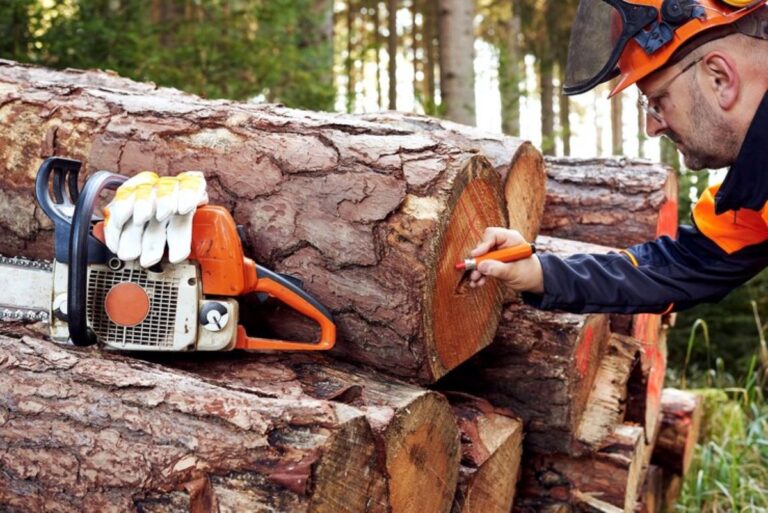
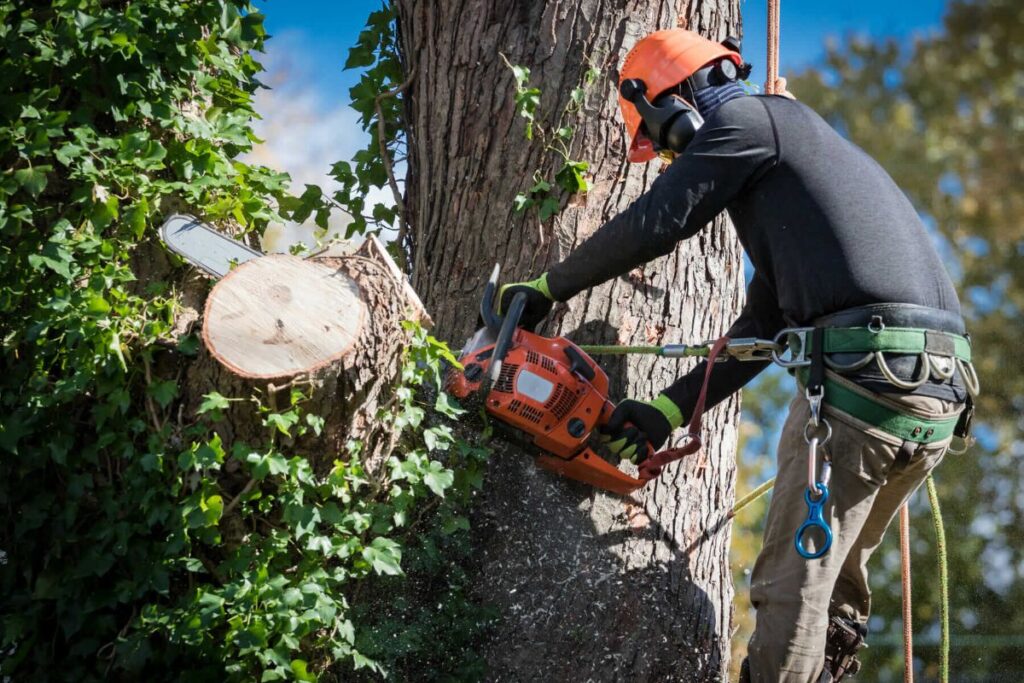
Tree removal follows a systematic approach where professionals dismantle the tree in sections, starting from the top and working downward. This controlled cutting method prevents damage to surrounding structures and ensures worker safety throughout the operation.
The Sequential Cutting Process
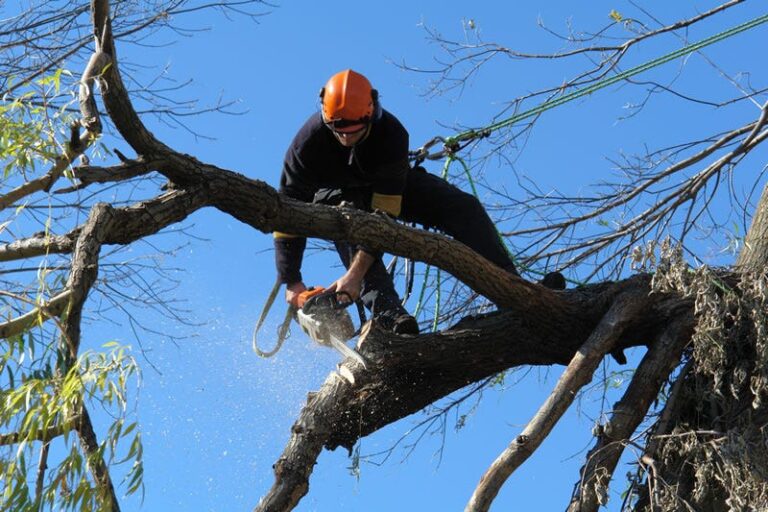
Arborists begin by removing smaller branches and limbs from the crown, creating a clear path for larger sections. Climbers ascend the tree using ropes and harnesses, cutting manageable pieces that ground crew members lower safely using rigging systems. Each section typically weighs between 100-500 pounds, depending on the tree’s size and density.
For trees near buildings or power lines, professionals employ specialized equipment including:
- Bucket trucks for accessing upper portions without climbing
- Cranes to lift heavy sections away from sensitive areas
- Chainsaws with varying bar lengths for different cutting needs
- Wood chippers to process branches immediately on-site
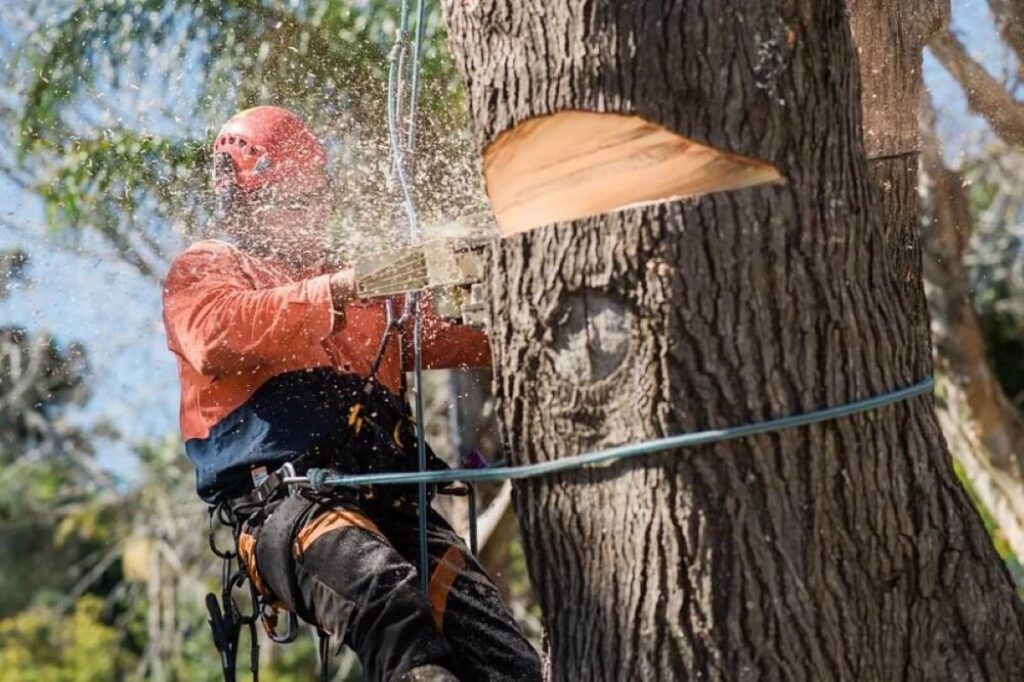
The trunk receives special attention once branches are cleared. Arborists make precise cuts at strategic points, sometimes creating a hinge to control the direction of fall. In confined spaces, they may cut the trunk into vertical sections called “logs,” removing each piece individually.
Stump Removal Options
After felling the tree, the stump remains as a visible reminder and potential obstacle. Stump grinding offers the most common solution, using a rotating cutting disk to reduce the stump to wood chips 6-12 inches below ground level. This method takes 30 minutes to 2 hours depending on stump diameter and root complexity.
Complete stump removal involves excavating the entire root ball, creating a larger hole but eliminating all woody material. This option suits properties planning immediate construction or landscaping in that exact location.
Site Cleanup Standards
Professional services include comprehensive debris cleanup as part of standard operations. Crews collect wood chips, sawdust, and smaller branches, either hauling them away or offering them as mulch for your property. Larger wood sections can be cut into firewood lengths upon request or removed entirely.
The final sweep addresses leaves, bark fragments, and any soil disturbance from equipment. Most companies rake the area and restore ground cover where possible, leaving your property in a presentable condition within hours of
How Are Emergency Tree Removals Handled?
Emergency tree services respond to urgent situations where trees pose immediate threats to people, property, or infrastructure. Storm damage response teams operate 24/7 to address fallen trees blocking roads, trees leaning dangerously toward structures, or branches tangled in power lines. These scenarios demand rapid professional intervention to prevent injuries, property destruction, or utility disruptions.
When Do Trees Require Emergency Removal?
Severe weather events create the most common emergency situations. High winds can uproot entire trees or snap trunks, leaving them precariously balanced. Lightning strikes may split trees vertically, creating unstable sections that could fall without warning. Heavy snow or ice accumulation can break major limbs, leaving them hanging by bark fibers.
Disease or decay sometimes causes sudden structural failure. A tree weakened by internal rot may collapse unexpectedly, even in calm conditions. Root systems compromised by construction, soil erosion, or fungal infections can give way, causing trees to topple onto homes, vehicles, or walkways.
What Happens During Initial Emergency Assessment?
Certified arborists arrive on-site to evaluate the immediate danger level. They identify which structures, vehicles, or utilities face direct threat from the compromised tree. Risk mitigation begins with establishing a safety perimeter around the hazard zone, preventing unauthorized access while crews prepare for removal.
The assessment determines whether power companies need to de-energize lines before work begins. Trees contacting electrical infrastructure require coordination with utility providers, as attempting removal without proper clearance creates electrocution risks. Professionals document the tree’s position, damage extent, and surrounding hazards through photographs and detailed notes.
How Do Emergency Services Execute Safe Removal?
Specialized equipment arrives quickly for urgent situations. Crane trucks position themselves to lift heavy sections away from structures, while bucket trucks provide elevated access for cutting operations. Emergency teams work systematically from top to bottom, removing the most dangerous sections first.
Rigging techniques secure tree sections before cutting, preventing uncontrolled falls. Heavy-duty cables and pulleys guide each piece to predetermined landing zones away from buildings and landscaping. Night operations use powerful lighting systems to maintain visibility and safety standards.
Debris management occurs simultaneously with removal. Crews feed branches through chippers, creating mulch that’s hauled away immediately.
For more information on how emergency tree services respond safely during storm damage, including high winds and other severe weather conditions that necessitate immediate action such as those outlined in this Tennessee agriculture article on storm damage, please refer to these resources.
Why Are Routine Tree Inspections Important?
Routine inspections prevent costly emergency situations by catching problems before they become dangerous. Regular evaluations by certified arborists identify early warning signs like decay, structural weakness, or disease that property owners might miss during casual observation.
Early Detection Saves Money and Lives
Structural issues detection during scheduled assessments reveals hidden dangers such as internal rot, compromised root systems, or unstable branch attachments. Arborists use specialized tools to examine tree health below the surface, checking for cavities, fungal growth, and stress cracks that indicate potential failure. These inspections typically occur annually or bi-annually, depending on tree age, species, and local environmental conditions.
Professional evaluations document changes over time, creating a health history that helps predict future concerns. Trees showing gradual decline receive targeted interventions before reaching critical failure points.
Maintenance Practices Extend Tree Lifespan
Pruning during routine visits removes dead or diseased branches that could fall unexpectedly or spread infection to healthy tissue. Strategic cuts improve air circulation through the canopy, reducing moisture buildup that attracts harmful fungi and bacteria. Proper pruning techniques also direct growth away from structures, power lines, and other hazards.
Soil care recommendations from arborists address nutrient deficiencies, compaction issues, and drainage problems that weaken tree stability. Regular soil testing identifies pH imbalances and mineral shortages before they cause visible symptoms like yellowing leaves or stunted growth.
Pest Control Prevents Widespread Damage
Early pest control interventions stop infestations before they compromise entire trees or spread to neighboring vegetation. Arborists identify insect activity, egg masses, and entry holes during inspections, implementing targeted treatments that minimize environmental impact. Common threats include:
- Emerald ash borers that destroy ash trees
- Pine beetles attacking stressed conifers
- Aphids weakening deciduous species
- Root weevils damaging underground systems
Proactive Care Reduces Emergency Calls
Trees receiving consistent professional attention rarely require sudden removal services. Regular maintenance strengthens structural integrity, making trees more resilient during storms and extreme weather events. Property owners who invest in scheduled inspections avoid the higher costs associated with emergency tree removal, property damage repairs, and potential liability claims.
What Should Property Owners Consider After Tree Removal?
Property owners should focus on three key areas: restoring the landscape’s visual appeal, addressing any structural damage, and establishing a maintenance plan. The removal of a tree creates both challenges and opportunities for reimagining your outdoor space.
Planning Your Replanting Options and Landscaping After Removal
Replanting options depend on your property’s specific conditions and goals. Native species typically adapt better to local soil and climate, requiring less maintenance while supporting local wildlife. Consider the mature size of any replacement tree—planting too close to structures or utilities repeats previous problems.
Alternative landscaping after removal might include:
- Garden beds with shrubs, perennials, or ornamental grasses
- Hardscaping features like patios, walkways, or retaining walls
- Lawn expansion for open recreational space
- Multiple smaller trees instead of one large specimen
The former tree’s root system continues decomposing underground for years, potentially creating settling issues. Wait 6-12 months before major construction projects in that area, or consult with a landscape architect about proper soil preparation.
Repairing Affected Structures and Property Features
Repairing affected structures begins with a thorough inspection of nearby buildings, fences, driveways, and underground utilities. Tree removal sometimes reveals hidden damage that roots or branches were masking—cracked foundations, shifted pavers, or compromised drainage systems.
Common repairs include:
- Patching lawn areas damaged by equipment
- Replacing sections of fencing or gates
- Repairing roof shingles or gutters
- Fixing irrigation systems severed during stump grinding
- Addressing soil compaction from heavy machinery
Document all damage with photographs before repairs begin. This documentation proves valuable for insurance claims or disputes with service providers about work-related damage.
Long-Term Maintenance Following Tree Removal
The removal site requires ongoing attention to prevent issues. Monitor the stump grinding area for settling or sinkholes as wood chips decompose. Add topsoil and reseed as needed to maintain an even surface.
Key maintenance practices include:
- Watering newly planted trees or landscaping consistently during the first two growing seasons
- Applying mulch around replacement trees (but not directly against the trunk) to conserve moisture and suppress weeds
Additionally, it’s important to consider how climate change may affect your new landscaping choices. For instance, climate change can influence which plants thrive in your area over time.
Related : 7 Signs You Need a Tree Arborist Sydney Consult for Your Property