
Termite Control: A Buyer’s Guide to Spotting Risks Before Signing on a Property

What makes termites such a big risk for property buyers?
Termites can damage structural timber quietly, often behind plaster, skirting boards, or flooring. By the time visible signs appear, repairs can be significant and disruptive.
For buyers, the key is simple: treat termite control as a due diligence item, alongside surveys and legal checks, especially in higher risk areas or older properties.
Which properties are most likely to need termite control?
Homes with timber frames, suspended timber floors, or extensive garden sleepers tend to be more vulnerable. Properties with a history of moisture issues also sit higher on the risk scale.
If the house is near dense vegetation, has poor drainage, or shows past wood repairs, buyers should assume termite control might be needed and budget time for deeper checks.
What are the most common signs of termite activity during a viewing?
They should look for blistered paint, hollow sounding timber, and fine mud-like lines on walls, brickwork, or around pipe penetrations. Skirting boards that crumble easily can also be a clue.
Discarded wings near windowsills and light fittings can signal a swarm event. Any of these signs justify asking about past termite control or arranging a targeted inspection.
Where should buyers check first inside the property?
They should start where timber meets moisture: bathrooms, kitchens, utility rooms, and around boilers. Window frames, door jambs, and under stairs can also reveal early damage.
If access is possible, they should check subfloor vents and any visible joists. A few minutes in these areas can flag whether termite control questions need raising before negotiations progress.
What outdoor clues suggest termites could be nearby?
They should inspect the base of external walls, decking posts, and fences that touch soil. Timber piles, old stumps, and garden beds tight against the house can all increase risk.
Poor drainage, leaking outdoor taps, and damp patches around foundations can create ideal conditions. If those factors exist, termite control may become a practical requirement rather than a precaution.
How can buyers assess moisture and drainage problems quickly?
They should note musty smells, condensation marks, and peeling paint near floors. Outside, they should check whether gutters overflow, downpipes discharge near walls, and soil slopes towards the building.
Moisture does not prove termites, but it raises probability. Where damp is persistent, buyers should treat termite control as linked to fixing the moisture source, not just treating the insects. You may like to visit https://www.health.vic.gov.au/environmental-health/pest-control-termites to learn more about termites.
What questions should buyers ask the seller or agent?
They should ask whether the property has ever had timber pest activity, treatments, or warranties, and request paperwork. They should also ask about past leaks, flooding, or structural repairs.
If the seller mentions past treatment, buyers should clarify dates, scope, and who performed the termite control, because DIY claims or missing documentation increase uncertainty.
Which surveys and reports help confirm termite risks?
A general building survey may note timber defects, but a dedicated timber pest inspection is more precise. Buyers should choose an inspector who explains findings clearly and provides photos and mapped risk areas.
If there are red flags, a follow-up invasive inspection may be recommended. That extra step can prevent buyers inheriting a problem that termite control alone cannot reverse without repairs.
How should buyers interpret a termite control quote or treatment plan?
They should expect a plan that names the termite type if identified, outlines the method, and explains monitoring. A vague quote without inspection notes, risk factors, or exclusions is a warning sign.
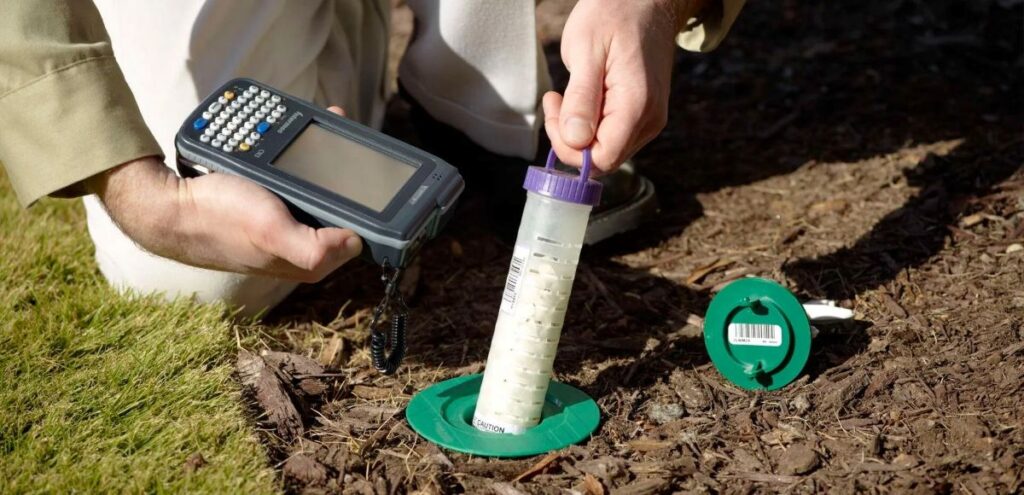
They should also confirm what is included: baiting, barriers, follow-up visits, and warranty terms. Good termite control is a managed process, not a one-off spray.
Can termite control be used as leverage in negotiations?
Yes, but only when backed by evidence. If an inspection finds activity or high-risk conditions, buyers can request a price reduction, repairs, or treatment completion before exchange.
They should ensure any agreed termite control is documented, with receipts and transferable warranties where possible. Otherwise, buyers may pay twice: once in the price and again after completion.
What mistakes do buyers make most often with termite risks?
They often rely on visual checks alone, skip specialist inspections, or assume a renovated finish means a sound structure. Fresh paint can hide damage, and new flooring can cover affected subfloors.
They also underestimate moisture management. Without fixing leaks and drainage, termite control becomes a recurring cost instead of a one-time risk reduction.
What should buyers do if they suspect termite issues before signing?
They should pause and move from assumptions to verification. That means commissioning a timber pest inspection, asking for documents, and requesting access to key areas like subfloors and roof voids where safe.
If findings are unclear, they should seek a second opinion. In many cases, early action makes termite control straightforward and helps buyers proceed with confidence rather than hope.
How can buyers reduce termite risk after moving in?
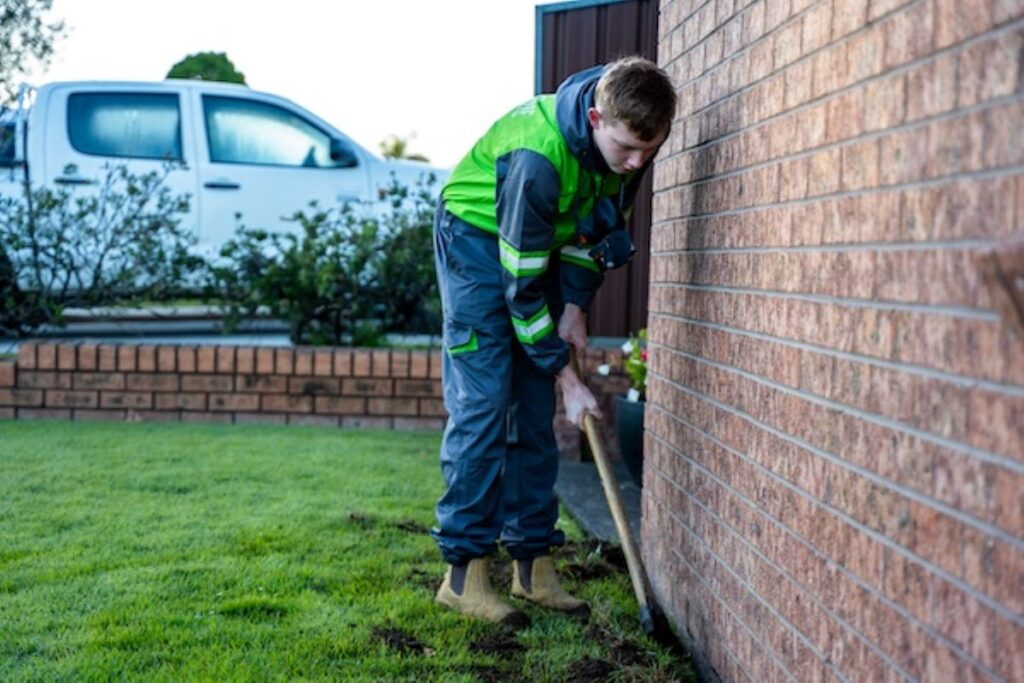
They should keep soil and mulch away from external walls, repair leaks quickly, and maintain good ventilation in subfloor areas. Timber should not be stored against the house, and garden beds should be managed to avoid constant dampness.
Regular inspections and monitoring are sensible in higher risk regions. Done well, termite control becomes routine maintenance, not an emergency response.
Related : Rat Pest Control Sydney: 5 Warning Signs You Shouldn’t Ignore Around the Home